
News

Generic Substitution of Levothyroxine in Practice
The active ingredient levothyroxine is found in a significant number of medicinal products (MP) in the Czech Republic. The question of its generic substitution remains current, primarily because the previously published data tend to call for caution due to possible adverse effects on the patient.
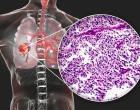
Options for Systemic Therapy of Advanced Stage Small Cell Lung Cancer
Small cell lung cancer (SCLC) is the most aggressive type of lung tumor. Although it responds well to chemotherapy and radiotherapy, due to the early onset of treatment resistance, the 5-year…

Current Sequence of Treatment for Metastatic HER2+ Breast Cancer
In September 2023, experts from Miami Cancer Institute published their consensus statement on the treatment of HER2-positive advanced breast cancer (BC). The latest change in therapeutic strategy is…

Artificial Intelligence and Deep Learning as the Future of Glaucoma Diagnosis
Glaucoma represents a group of eye diseases characterized by changes to the optic nerve. It is the second most common cause of blindness, currently affecting more than 90 million people worldwide. It…

MUDr. Jana Zárubová: Experiences with buccal midazolam in real practice are positive and we can significantly improve patients' quality of life
Recently, it has emerged as an alternative to traditionally rectally administered diazepam for stopping prolonged convulsive seizures in patients with epilepsy. What can buccal midazolam offer them…

IEC 2023: Key Challenges for Epilepsy Patients Include Status Epilepticus and Anxiety Management
Why is anxiety a significant issue for epilepsy patients? What do current insights say about the connection between epilepsy and anxiety? Can artificial intelligence be used to predict status…

Ocrelizumab in the Treatment of Multiple Sclerosis – 10-Year Data
Multiple sclerosis (MS) is a lifelong disease with a high risk of permanent disability. Current information on the long-term efficacy and safety of treatment is therefore absolutely essential for the…

Long-term Efficacy and Safety of Mavacamten in the Treatment of Obstructive HCM
Interim results of the MAVA-LTE study provide the latest data on the long-term safety and efficacy of symptomatic treatment with mavacamten for obstructive hypertrophic cardiomyopathy (oHCM), with…

Mavacamten in the Treatment of HCM in Patients Referred for Septal Reduction
Extended 56-week follow-up of patients with hypertrophic cardiomyopathy (HCM) resistant to current pharmacotherapy in the VALOR-HCM study confirmed the lasting benefit of mavacamten – the first…

How Does Myelodysplastic Syndrome Affect Patients' Quality of Life?
Myelodysplastic syndrome (MDS) is a heterogeneous group of disorders of hematopoietic stem cells with varying degrees of risk of progression to acute myeloid leukemia (AML). The therapeutic options…

Planning Surgery Using 3D Printing in Practice – Case Study
In October 2023, an article by neurosurgeons from Leipzig University was published in the journal 3D Printing in Medicine, focusing on the use of 3D printing in the treatment of complex…

Immunomodulation and Romiplostim − What Does the Recently Published iROM Study Say?
Primary immune thrombocytopenia (ITP) is caused by an immunity disorder, involving not only the production of antibodies but also changes in cytokine levels, predominance of Th1 lymphocytes over Th2,…

ICIS Report: Potential of TPO-RA as Early Immunomodulatory Treatment of Immune Thrombocytopenia
The report from the meeting of the Intercontinental Cooperative ITP Study Group (ICIS) in 2022 in Lenzerheide, Switzerland, published late last year in the British Journal of Haematology, discusses…

Impact of Azacitidine Maintenance Therapy on Survival of Patients with AML in Remission Depending on Initial Chemotherapy
The QUAZAR AML-001 study showed that oral azacitidine maintenance therapy significantly prolongs relapse-free survival (RFS) and overall survival (OS) in patients with acute myeloid leukemia (AML) in…

Doc. Milan Sova: AAT substitution is available to all indicated patients. It is therefore crucial to now educate about the necessity of regular treatment
Alpha-1-antitrypsin deficiency (AATD) is one of the most common genetic disorders in adults. It is usually associated with the early development of chronic obstructive pulmonary disease (COPD) or…
Popular this week
- Multicancer early detection (MCED) tests – an overview of technologies and clinical evidence
- Vasculitis from the Perspective of a Dermatologist
- Videofluoroscopy in children
- BENIGN DERMATOSIS OF PENIS
- Intensive insulin therapy de-intensification with IGlarLixi in type 2 diabetes patients: results of the IDEAL randomised clinical trial