
News

Bizarre Technological Innovations in Medicine − The Dark Side of Progress or the Reality of the Near Future?
A robot drawing blood, meeting the deceased through virtual reality, or a robotic nanny caring for embryos in an artificial womb. Technology has been advancing by leaps and bounds in recent years, bringing numerous astounding progressions to various fields, including medicine. On the other hand, its development is also associated with bizarre endeavors balancing on the edge of ethical acceptability. Let's take a look back at the end of the year at some rather eerie technological innovations reminiscent of stories from the cult series 'Beyond…

Possible Uses of Desodrop in Therapy and Prevention of Ophthalmological Diseases
The medical device Desodrop is the first topical eye preparation based on ozone, intended for the prevention and therapy of eye infections and other diseases. Its efficacy and safety have been…

Factors Predicting Longer Survival in Patients with Metastatic Colorectal Cancer Treated with Trifluridine/Tipiracil
A recently published non-interventional analysis evaluated overall survival (OS) and progression-free survival (PFS) in patients with metastatic colorectal cancer (mCRC) with favorable prognostic…

Impact of Administering Omega-3 Fatty Acids on the Risk of Metabolic Syndrome in Patients with Schizophrenia
The aim of the Polish clinical study OFFER was to assess the possibility of influencing the risk of developing metabolic syndrome (MetS) and some of its individual components in patients with…

Tool for Predicting Cardiometabolic Risk in Young Patients with Psychotic Disorder
A study describing the development and validation of an algorithm for predicting cardiometabolic risk in patients with psychotic disorder, PsyMetRiC (Psychosis Metabolic Risk Calculator), was…

Viral or Bacterial Etiology? Old Question, New Methods...
The gold standard in the differential diagnosis of viral and bacterial respiratory infections is primarily C-reactive protein (CRP), followed by procalcitonin and interleukins. What are the pitfalls…
When You Say Amyloid…
The term 'amyloid' was first used by the German doctor Rudolf Virchow in the mid-19th century. He described it as a pathological substance which he originally thought was starch. Although it was…

Practical Experiences Using ZULP in Cardiology
The application of a product containing ferric carboxymaltose (FCM) or the use of a contrast agent with sulfur hexafluoride in microbubbles are examples of the use of specially accounted medicinal…

How Will the New Player in Dyslipidemia Therapy Change the "Rules of the Game"?
Inclisiran, as an innovative drug indicated for adult patients with primary hypercholesterolemia or mixed dyslipidemia, was registered in the European Union at the end of 2020. Internists and…

Undiagnosed Hereditary Angioedema in Pregnancy – Case Study
Delayed diagnosis or misdiagnosis is not uncommon with hereditary angioedema (HAE), especially during pregnancy and the postpartum period. A case study by Canadian authors illustrates that HAE should…

Successful Long-Term Subcutaneous Prophylaxis of Hereditary Angioedema – Case Study
Hereditary angioedema (HAE), arising from a deficiency of C1 inhibitor (C1-INH), clinically manifests as swelling of the subcutaneous tissue and mucous membranes. The standard prophylactic therapy…

Biochemotherapy of Aggressive Rectal Carcinoma – A Case Study from the Czech Republic
Colorectal cancer arises from a complex interplay of environmental and lifestyle factors complemented by hereditary factors. Nowadays, it represents not only a health concern but also a socioeconomic…

Incidence of Secondary Malignancies in CLL Patients on FCR Regimen in Central Europe
Chronic lymphocytic leukemia (CLL) represents the most common type of leukemia in Western countries with closely related incidence in Central European states. Since 2000, new therapeutic regimens…
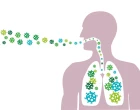
Pathogenetic Mechanisms Underlying the Development and Progression of Interstitial Lung Diseases
Interstitial lung processes (ILP) represent an umbrella term for a wide range of nosological units that differ from each other in clinical course, prognosis, and pathogenesis. Most ILPs are…
Finding Balance Between Intracranial Efficacy and Adverse Effects of ALK Kinase Inhibition
More than 7 years – that is the current median survival of patients with non-small cell lung cancer (NSCLC) with a mutation in the anaplastic lymphoma kinase (ALK) gene who are receiving targeted…