
Development of the epidemiological situation of Hodgkin’s lymphoma in the Czech Republic in the period 2000–2019
Authors:
L. Kolařík 1,2; D. Horáková 2; J. Vlčková 2; I. Matoušková 2
Authors‘ workplace:
Oddělení klinické hematologie, FN Motol a Homolka, Praha2 Ústav veřejného zdravotnictví, LF UP, Olomouc
1
Published in:
Transfuze Hematol. dnes,32, 2026, No. 2, p. 126-135.
Category:
Original Papers
doi:
https://doi.org/10.48095/cctahd202614
Overview
The incidence of Hodgkin’s lymphoma (HL) has been steadily declining in the Czech Republic (1980–2019) over a long period of time. There was a slight increase in incidence in 2019 with a 3.2% increase in the overall incidence rate to 2.94/100,000 population in 2019 compared to 2000. Slight increase in incidence was present in both male and female population. The highest increase in total incidence occurred in the Moravian-Silesian Region (by 36.4%). The lowest average total incidence was in the Olomouc Region at 2.37/100,000 inhabitants and the highest in the Pilsen Region at 3.07/100,000 inhabitants. The mortality rate of HL showed a steadily decreasing trend in the aforementioned period. In 2019, the mortality rate of HL in the Czech Republic was 0.53/100 000 inhabitants. Compared to 2000, there was a 45.9% decrease in overall mortality. The highest decrease in mortality occurred in the Vysočina Region (by 70.9%). The lowest value of the average total mortality was in the Zlín Region 0.50/100 000 inhabitants, the highest in the Pardubice Region 0.89/100 000 inhabitants. The prevalence of HL showed a steadily increasing trend in the period 2000–2019. Compared to 2000, the prevalence increased by 68.8% in 2019. The highest increase in prevalence was present in the Karlovy Vary Region (by 92.6%). In the Czech Republic, the 5-year relative survival rate continued to increase gradually, reaching 86.6% in the period 2015–2019 (95% confidence interval 84.4–88.6). In the COVID-19 pandemic, there was a 7.1% reduction in overall incidence during the 2019–2022 reporting period. The decrease in incidence was evident in the female population (by 20%), while there was a slight increase in the male population (by 5.7%). Overall mortality showed a stagnant trend during the pandemic period. Comparison of age-specific incidence rates before the COVID-19 pandemic (2019) and during the pandemic (2021) showed an increase in incidence HL, particularly in the 10–14 years, 20–24 years, 55–59 years and 80+ age groups.
Keywords:
incidence – mortality – COVID-19 – prevalence – Hodgkin’s lymphoma – 5year survival
INTRODUCTION
Hodgkin lymphoma belongs to the group of lymphoid neoplasms that most commonly affect the lymph nodes. A characteristic feature of the disease is the presence of large mononuclear dysplastic cells, known as Hodgkin cells, and large multinucleated cells, referred to as Reed–Sternberg cells, which are surrounded by a variable mixture of non-neoplastic inflammatory cells. Based on the immunophenotype, morphology of the neoplastic cells, and the cellular background, Hodgkin lymphoma (HL) is divided into two main types: nodular lymphocyte-predominant Hodgkin lymphoma (NLPHL) and classical Hodgkin lymphoma (CHL) [1].
Approximately 90% of HL cases are patients with CHL, whereas only 10% account for NLPHL. The peak incidence of NLPHL occurs in the fourth and fifth decades of life; however, the disease may also occur in childhood. The peak incidence of CHL depends on the specific subtype of the disease. The occurrence of individual types and subtypes of HL is closely associated with socioeconomic status and is related to infection with Epstein–Barr virus (EBV) or human immunodeficiency virus (HIV) [1].
The incidence of HL in the Czech Republic has shown a slight but steady decline over the long term (1980–2019). In 2019, a total of 314 cases were diagnosed in the Czech Republic, corresponding to 2.94 per 100,000 inhabitants. In both the male and female populations, 157 cases were diagnosed in 2019, corresponding to 2.99 per 100,000 inhabitants [2].
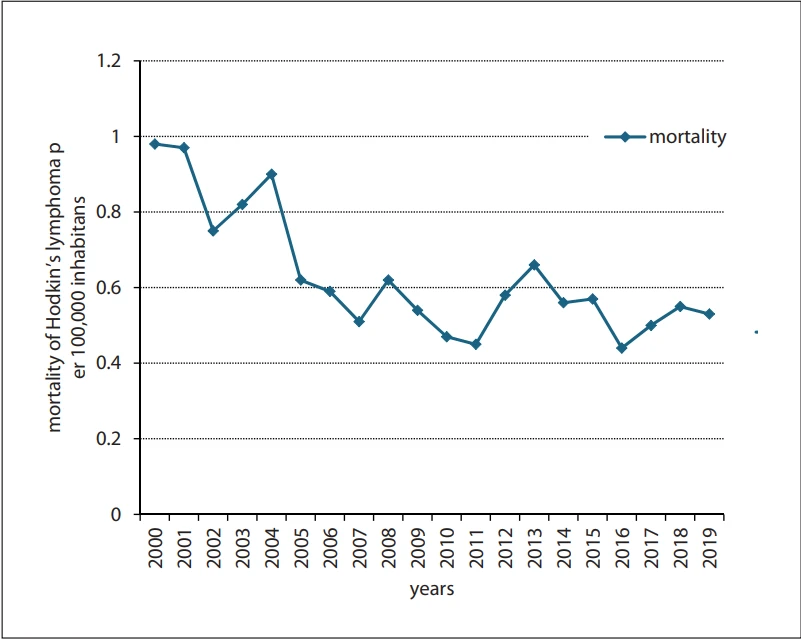
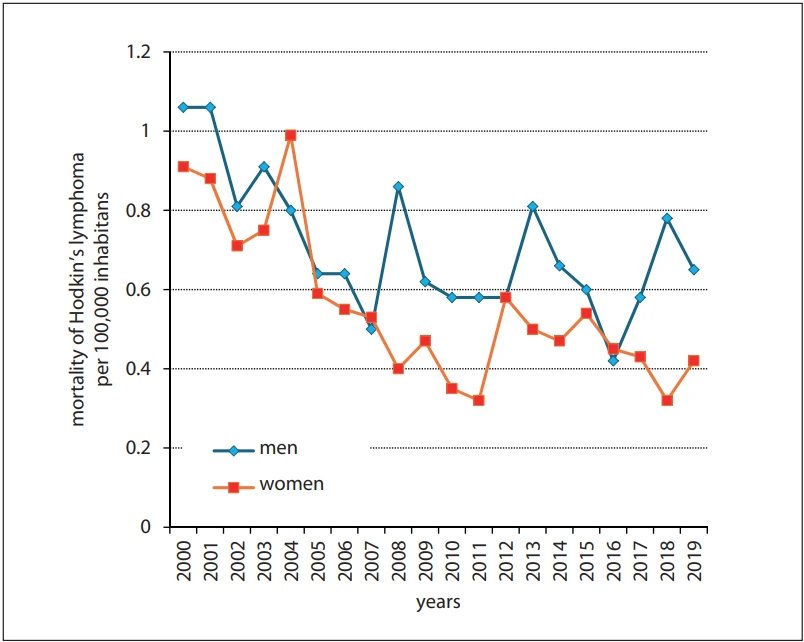
Mortality from HL in the Czech Republic, similarly to incidence, has shown a steady declining trend over the long term (1980–2019). In 2019, 57 individuals died in the Czech Republic, corresponding to 0.53 per 100,000 inhabitants. In the male population, 34 deaths were recorded (0.65 per 100,000 inhabitants), while in the female population, 23 deaths were recorded (0.42 per 100,000 inhabitants) [3].
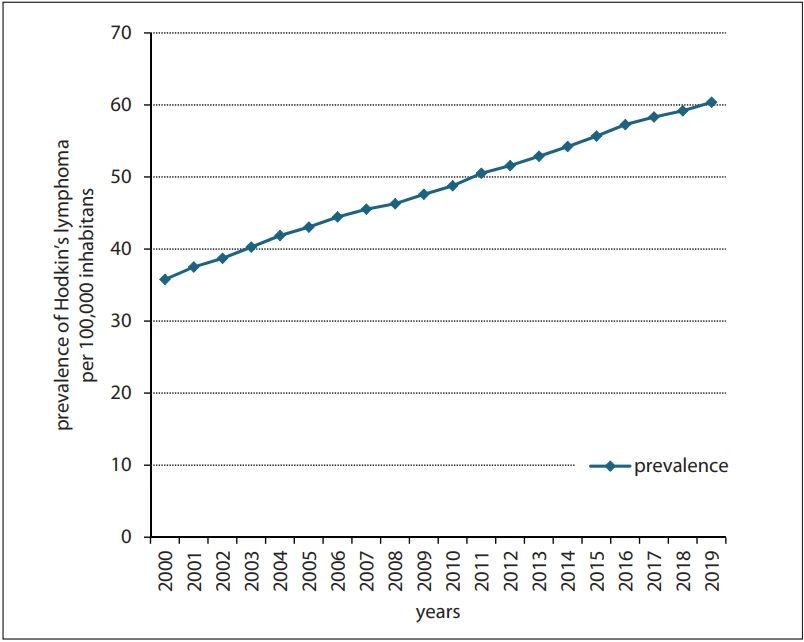
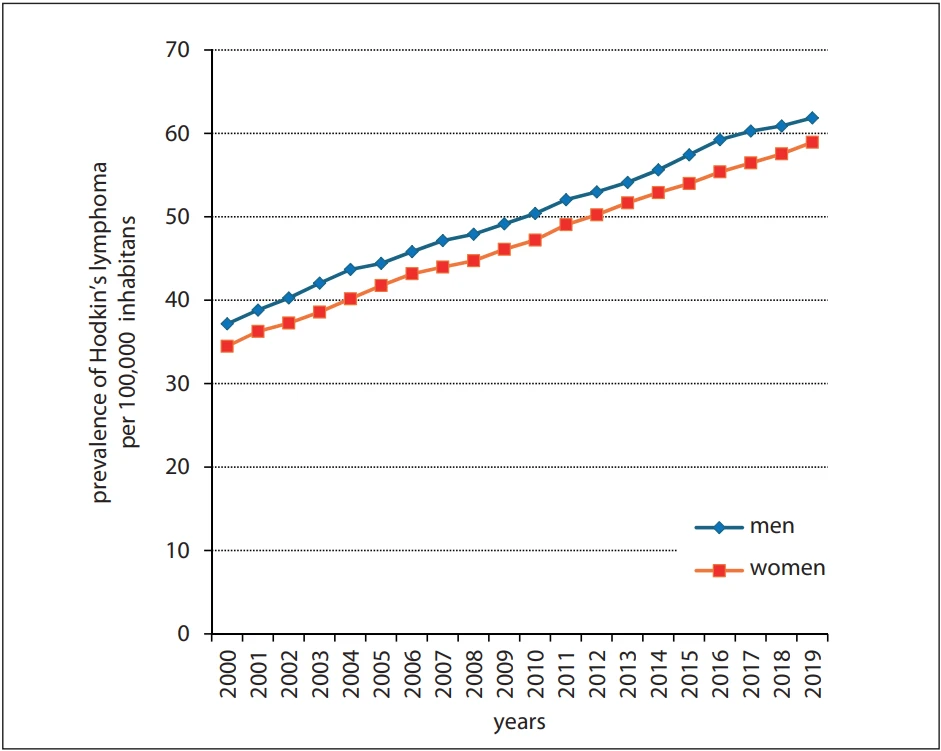
The prevalence of HL in the Czech Republic has shown a sustained increase over the long term (1994–2019). As of 31 December 2019, a total of 6,442 individuals were living with HL in the Czech Republic, corresponding to 60.38 per 100,000 inhabitants; of these, 3,252 were men (61.86 per 100,000 inhabitants) and 3,190 were women (58.94 per 100,000 inhabitants) [4].
Hodgkin lymphoma is generally considered a highly treatable disease, particularly when diagnosed at an early stage. With early detection, cure rates are around 90%. The prognosis of patients with HL is influenced by a number of factors, including disease stage, patient age, overall health status, and response to treatment [5].
METHODS
Data from the National Cancer Registry of the Czech Republic were used to assess the epidemiological situation of HL. The data utilised were obtained (1) on the basis of a formal request entitled “Request for data export from the National Health Information System (NHIS) ” submitted to the Institute of Health Information and Statistics of the Czech Republic, and (2) from the publicly accessible web portal “Cancer Epidemiology Portal of the Czech Republic” available at www.svod.cz.
RESULTS
Trends in HL incidence, 2000–2019
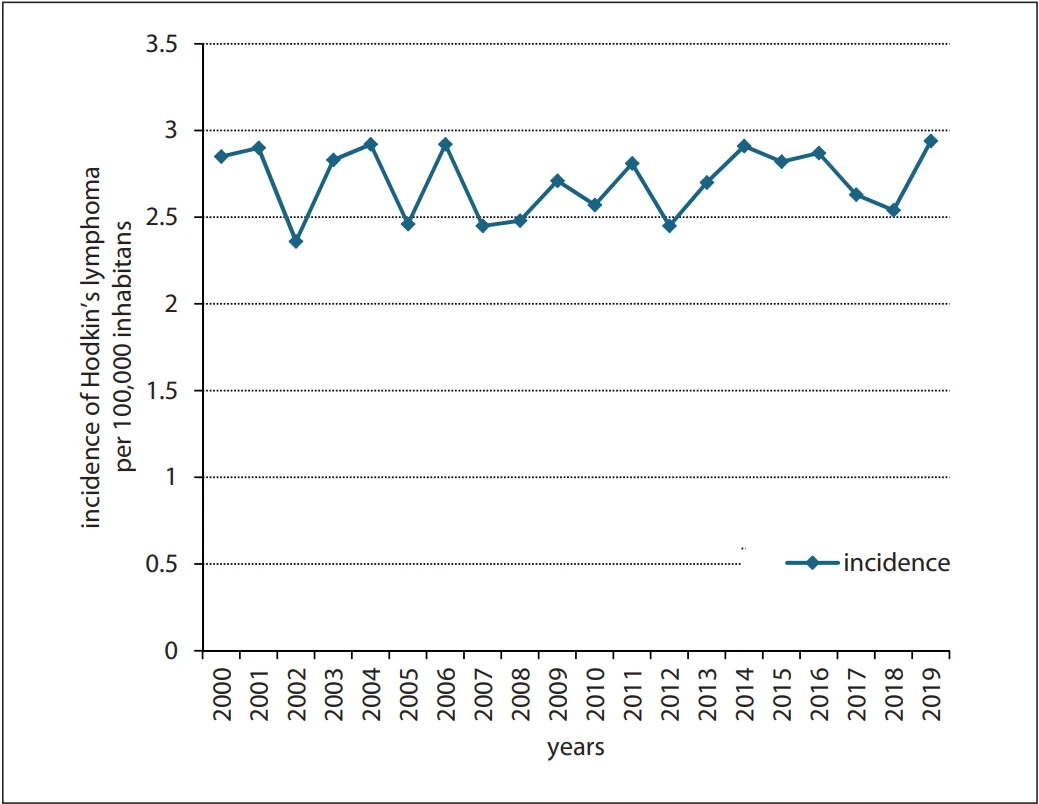
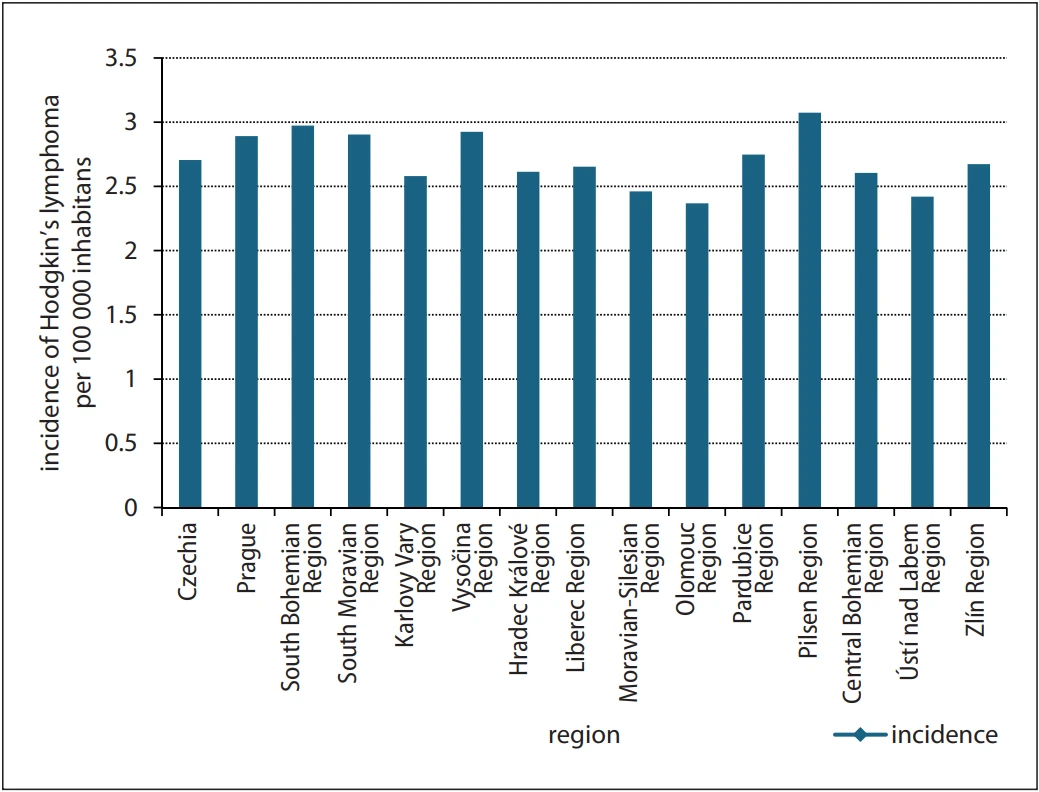
The incidence of HL in the Czech Republic showed a slightly declining trend over the long term (1980–2019). Compared with 2000, the total incidence increased in 2019 from 2.85 per 100,000 inhabitants to 2.94 per 100,000 inhabitants, representing an increase of 3.2% (Graph 1). The lowest average overall incidence over the twenty-year period was recorded in the Olomouc Region (2.37 per 100,000 inhabitants). The highest average overall incidence during this period was observed in the Pilsen Region (3.07 per 100,000 inhabitants) (Graph 2). The greatest increase in incidence occurred in the Moravian-Silesian Region, where incidence rose from 2.50 per 100,000 inhabitants in 2000 to 3.41 per 100,000 inhabitants in 2019, representing an increase of 36.4%.
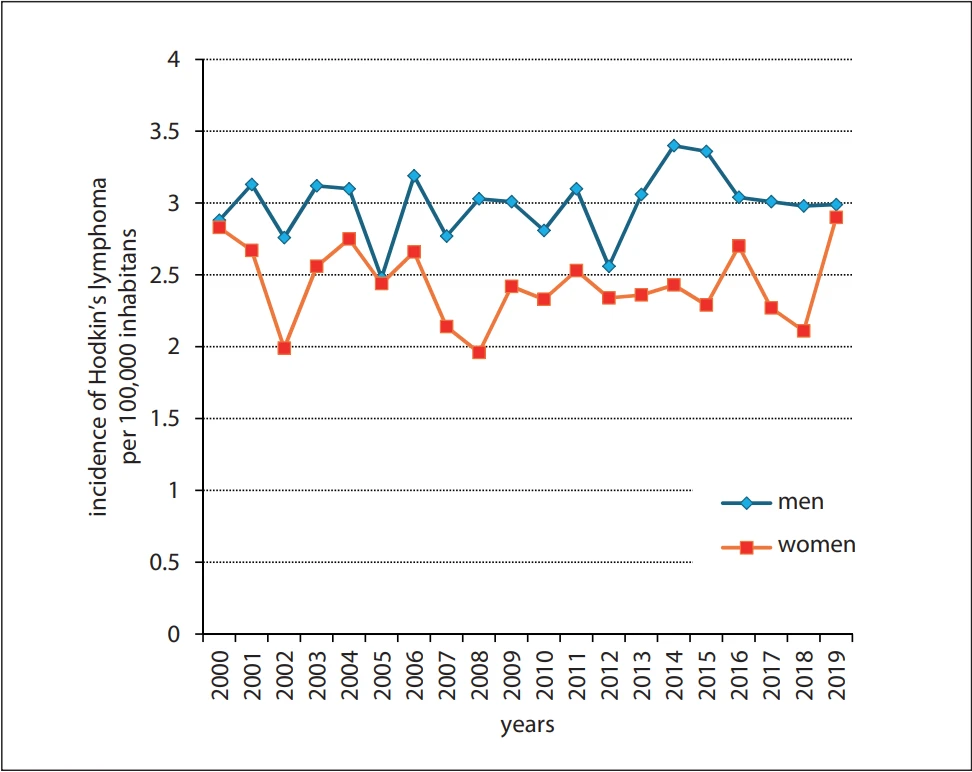
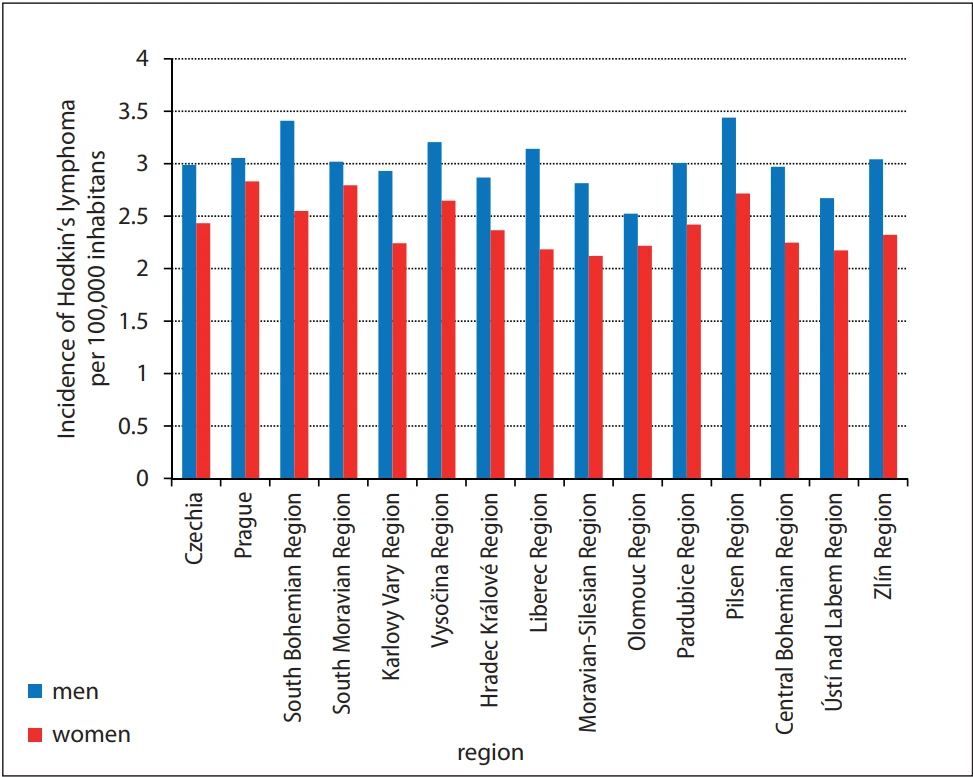
A slight increase in HL incidence during the observed period was present in both male and female populations. In males, incidence increased by 3.8% compared with 2000, while in females it increased by 2.5% (Graf 3). In the male population, the lowest average incidence during the observed period was in the Olomouc Region (2.52 per 100,000 inhabitants), while in the female population it was lowest in the Moravian-Silesian Region (2.12 per 100,000 inhabitants). The highest average incidence in males was observed in the Pilsen Region (3.44 per 100,000 inhabitants), and in females in the Capital City of Prague (2.83 per 100,000 inhabitants). Compared with 2000, the greatest increase in incidence in 2019 in the male population was recorded in the Pardubice Region, where incidence rose from 2.01 per 100,000 inhabitants in 2000 to 4.64 per 100,000 inhabitants in 2019, representing an increase of 130.8%. In the female population, the greatest increase in incidence was observed in the Liberec Region, where incidence rose from 0.91 per 100,000 inhabitants in 2000 to 2.18 per 100,000 inhabitants in 2019, representing an increase of 95.6%. More detailed information on HL incidence by region and sex is presented in Graph 4.
HL mortality, 2000–2019
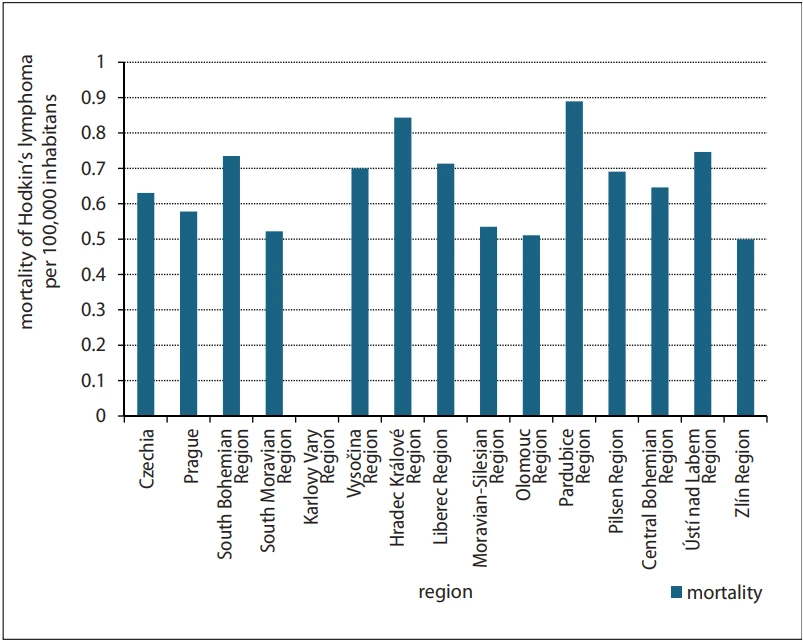
HL mortality showed a steadily decreasing trend over the observed period (Graph 5). Compared with 2000, total HL mortality declined in 2019 from 0.98 per 100,000 inhabitants to 0.53 per 100,000 inhabitants, representing a decrease of 45.9%. A reduction in HL mortality was observed in all regions of the Czech Republic except the Liberec Region, where mortality increased by 35%. The greatest decrease in mortality was recorded in the Vysočina Region, where mortality declined from 1.34 per 100,000 inhabitants in 2000 to 0.39 per 100,000 inhabitants in 2019, representing a decrease of 70.9%. The lowest average mortality during the observed period was recorded in the Zlín Region (0.50 per 100,000 inhabitants), while the highest average mortality was observed in the Pardubice Region (0.89 per 100,000 inhabitants) (Graph 6). The Karlovy Vary Region was excluded from the mortality analysis due to the absence of data in the National Cancer Registry.
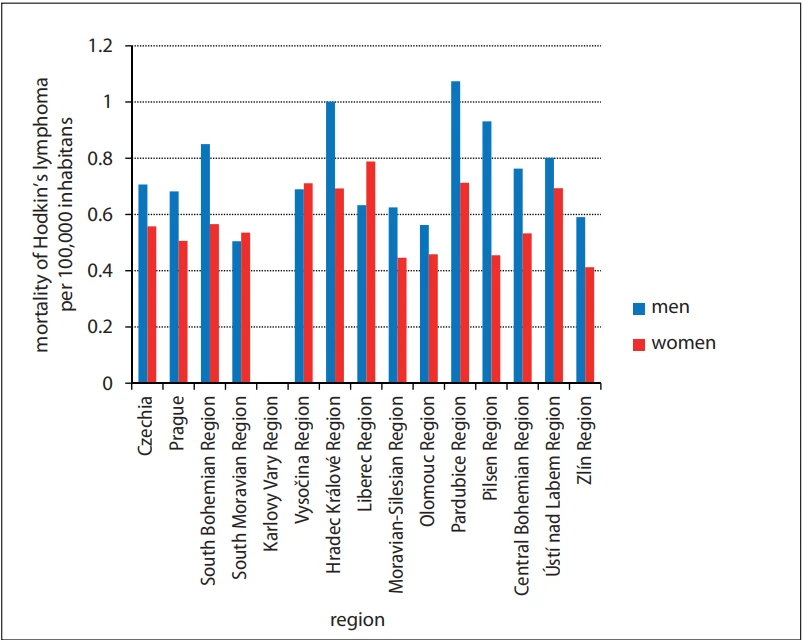
A decreasing trend in HL mortality was observed in both male and female populations. In males, mortality decreased by 38.7% compared with 2000, while in females it decreased by 53.8% (Graph 7). In the male population, mortality decreased in all regions except the Olomouc Region, where an increase of 103.1% was observed; however, it is important to note that this increase may have been influenced by underreporting of HL cases in 2000, when mortality was 0.32 per 100,000 inhabitants compared with a national average of 1.06 per 100,000 inhabitants. In the female population, mortality decreased in all regions except the Moravian-Silesian Region, where an increase of 6.5% was observed. The lowest average mortality in males during the observed period was recorded in the South Moravian Region (0.51 per 100,000 inhabitants), while in females it was lowest in the Zlín Region (0.41 per 100,000 inhabitants). The highest average mortality was observed in males in the Pardubice Region (1.07 per 100,000 inhabitants) and in females in the Liberec Region (0.79 per 100,000 inhabitants). Compared with 2000, the greatest decrease in mortality in 2019 in the male population occurred in the Vysočina Region, where mortality declined from 1.94 per 100,000 inhabitants to 0.39 per 100,000 inhabitants (a decrease of 79.9%). In the female population, the greatest decrease was observed in the Zlín Region, where mortality declined from 1.96 per 100,000 inhabitants in 2000 to 0.34 per 100,000 inhabitants in 2019 (a decrease of 82.7%). Detailed information on HL mortality by region and sex is presented in Graph 8.
HL prevalence, 2000–2019
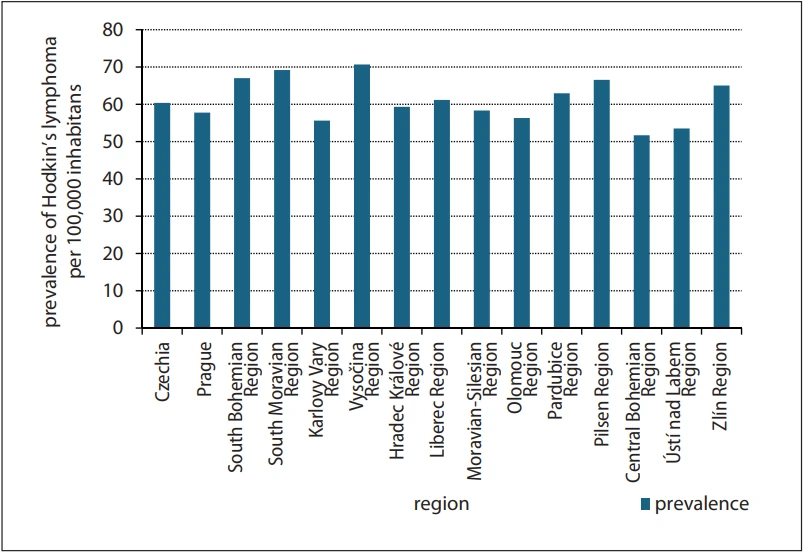
HL prevalence showed a steadily increasing trend during the observed period (Graph 9). Compared with 2000, the total prevalence in the Czech Republic increased in 2019 from 35.78 per 100,000 inhabitants to 60.38 per 100,000 inhabitants, representing an increase of 68.8%. An increase in HL prevalence was observed in all regions of the Czech Republic. The smallest increase between 2000 and 2019 was recorded in the Central Bohemian Region (43.9%), while the largest increase was observed in the Karlovy Vary Region (92.6%). In 2019, the lowest overall prevalence was recorded in the Central Bohemian Region (51.69 per 100,000 inhabitants), while the highest prevalence was observed in the Vysočina Region (70.68 per 100,000 inhabitants) (Graph 10).
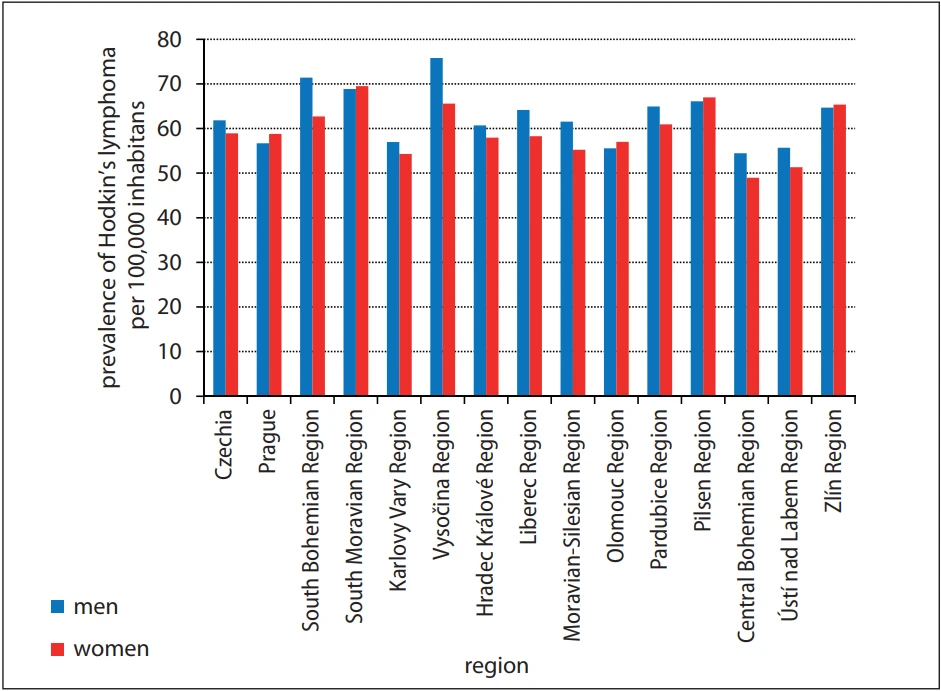
An increasing trend in HL prevalence was observed in both male and female populations (Graph 11). In males, prevalence increased by 66.4% compared with 2000, while in females it increased by 70.9%. The smallest increase in prevalence in males was observed in the Pardubice Region (40.6%), while in females it was observed in the Central Bohemian Region (43.1%). The greatest increase in prevalence in males was recorded in the Zlín Region (104.9%), while in females it was observed in the Capital City of Prague (98.1%). In 2019, the lowest prevalence in both sexes was recorded in the Central Bohemian Region (males: 54.47 per 100,000 inhabitants; females: 48.97 per 100,000 inhabitants). The highest prevalence in 2019 was observed in males in the Vysočina Region (75.82 per 100,000 inhabitants) and in females in the South Moravian Region (69.50 per 100,000 inhabitants). Detailed information on prevalence by region and sex in 2019 is presented in Graph 12.
Five-year survival, 2000–2019
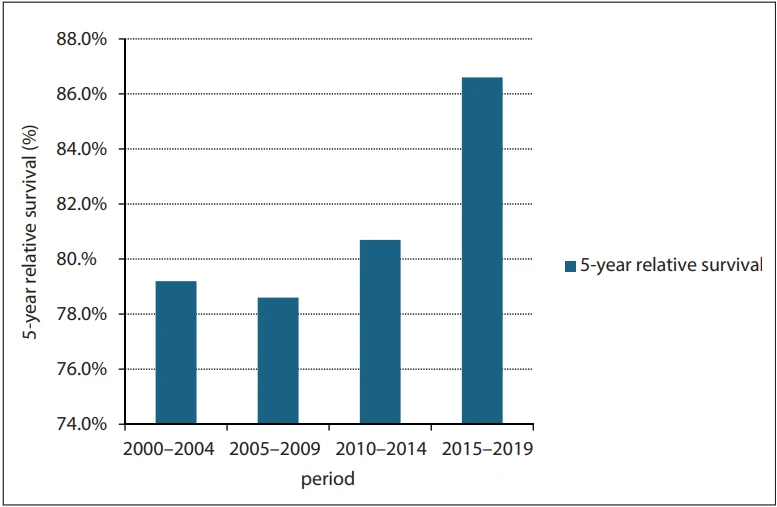
During the observed period (2000–2019), there was a gradual increase in the proportion of patients achieving five-year relative survival. In the period 2000–2004, the five-year relative survival rate was 79.2% (95% confidence interval 76.3–81.9). In the period 2015–2019, the five-year relative survival rate reached 86.6% (84.4–88.6). Detailed information on trends in five-year relative survival is presented in Fig. 13.
Epidemiological situation of HL during the COVID-19 pandemic
The impact of the COVID-19 pandemic on HL incidence and mortality was assessed by comparing trends in the period 2019–2022, with 2019 defined as the reference year prior to the onset of the pandemic.
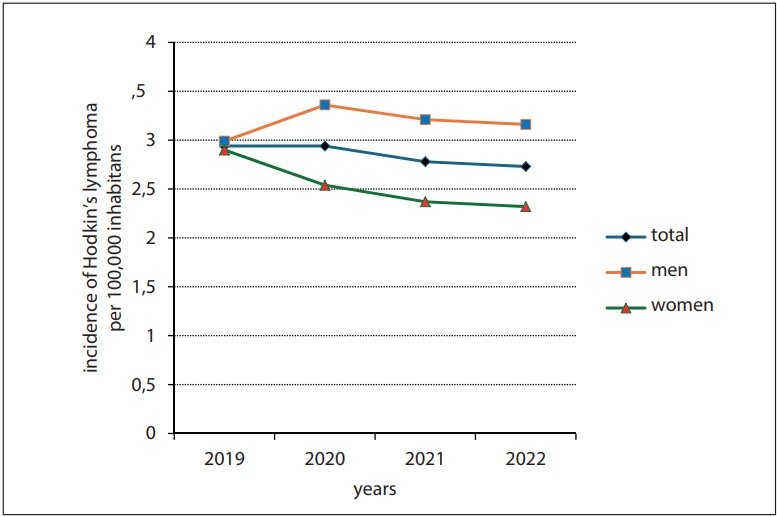
Total HL incidence showed a consistently decreasing trend during 2019–2022. In 2019, total incidence in the Czech Republic was 2.94 per 100,000 inhabitants, decreasing to 2.73 per 100,000 inhabitants in 2022, representing a decline of 7.1%. A decrease in incidence was also observed in the female population (−20.0%), whereas a slight increase was observed in the male population (+5.7%). A more detailed view of incidence trends during this period is presented in Fig. 14.
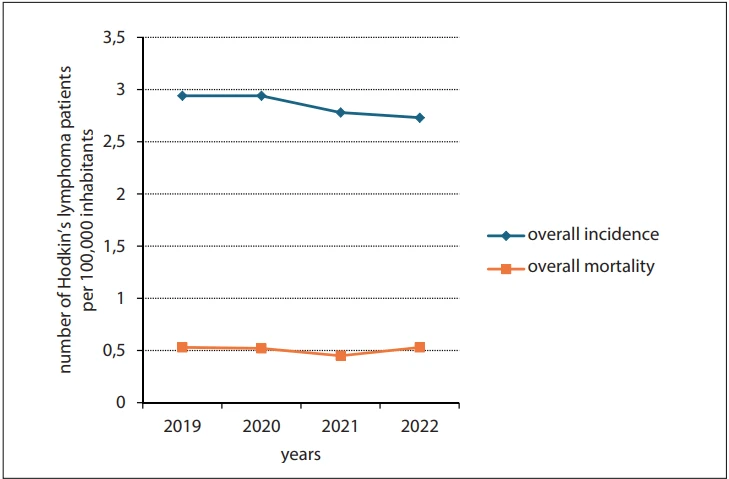
Total HL mortality showed a stable (stagnant) trend over the same period. In 2022, total HL mortality in the Czech Republic was 0.53 per 100,000 inhabitants, identical to the value in 2019. In the male population, mortality increased by 10.8% compared with 2019, while in the female population it decreased by 16.7%. A comparison of incidence and mortality trends is presented in Fig. 15.
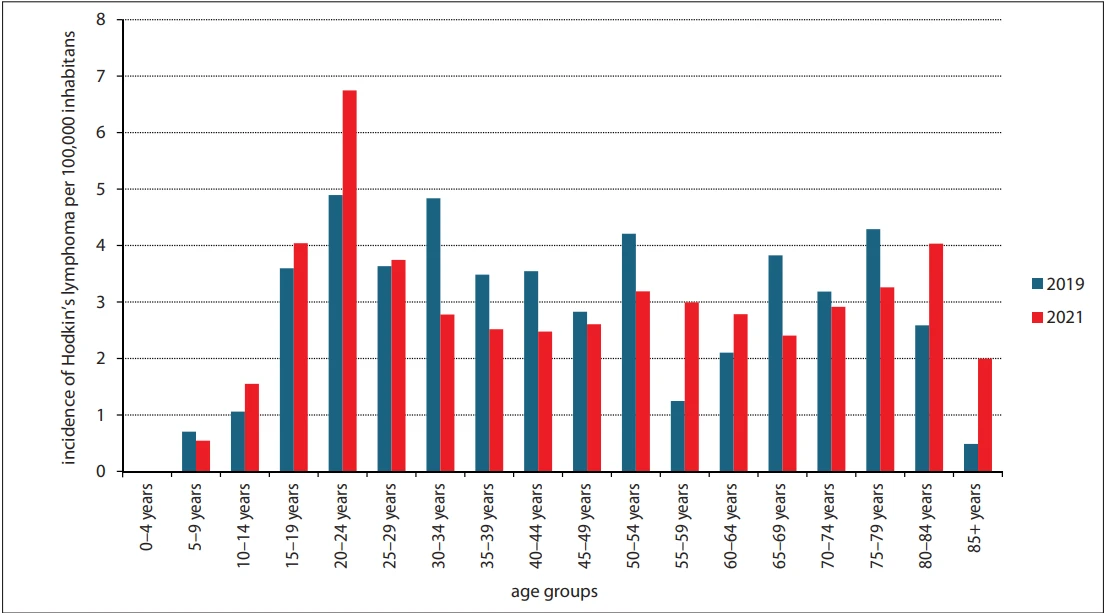
A comparison of age-specific HL incidence before the pandemic (2019) and during the pandemic (2021) shows an increase particularly in the age groups 10–14 years, 20–24 years, 55–59 years, and 80+. The greatest decreases in incidence were observed in the age groups 0–4 years, 35–39 years, and 75–79 years. A detailed overview of age-specific incidence is presented in Fig. 16.
DISCUSSION
In our study, a slight increase in HL incidence was observed in 2019 compared with 2000. The most pronounced increase in overall incidence was recorded in the Moravian-Silesian Region, where incidence rose by 36.4%. In the male population, incidence increased by 3.8%, and in the female population by 2.5%. The highest increase in incidence among males was observed in the Pardubice Region (by 130.8%) and among females in the Liberec Region (by 95.6%).
The increase in incidence may be attributable to changes in the demographic structure of the population, particularly population ageing, as well as to changes in lifestyle-related risk factors, especially the prevalence of overweight and obesity and tobacco smoking in the Czech population.
Due to the availability of statistical data, the assessment of increasing HL incidence and prevalence in the Czech Republic was related to the following risk factors: overweight and obesity, tobacco smoking, and demographic changes in the Czech Republic and Europe.
Data published by the Czech Statistical Office (CZSO) in the Statistical Yearbook of the Czech Republic 2020 confirm a continuously increasing proportion of individuals with overweight, obesity, and tobacco use. In 2019, nearly half of men (46.9%) were classified as pre-obese (BMI 25.0–29.9 kg/m²), and 21.2% were obese (BMI > 30 kg/m²). Among women, pre-obesity was present in 31.7% and obesity in 17.5%. Data from the World Health Organization’s Global Health Observatory (GHO) further confirm an increasing trend in obesity prevalence in the adult population of the Czech Republic. In 2000, 19.18% of individuals had a BMI ≥ 30, compared with 24.62% in 2019. GHO data also indicate an average increase of approximately 6% in the proportion of individuals with BMI ≥ 30 at 5-year intervals between 2000 and 2019.
The role of overweight and obesity in HL development is discussed by Matos et al. (2016), who link obesity to chronic inflammation associated with elevated levels of interleukin-6 (IL-6), a known risk factor for HL. Endocrine and paracrine mechanisms may further promote the growth and dissemination of Hodgkin and Reed–Sternberg cells. An increased risk of HL among overweight and obese individuals was also demonstrated by Strongman et al. (2019), who reported up to a 10% increase in HL risk for every 5 kg/m² above normal BMI values. The authors estimate that up to 7.4% of HL cases in adults may be attributable to overweight [6–8].
Additional data published by the CZSO that may help explain the slight increase in incidence in 2019 compared with 2000 relate to tobacco use in the Czech Republic. In 2019, 23.8% of men were regular smokers and 6.9% occasional smokers. The highest prevalence of regular smoking was observed in the age groups 25–34 and 35–44 years. Among women, 16.2% were regular smokers and 6.1% occasional smokers, with the highest prevalence in the age groups 35–44 and 55–64 years. Evidence regarding tobacco smoking as a risk factor for HL remains inconclusive. Nevertheless, some studies, such as those by Besson et al. (2006) and Castillo et al. (2011), report an increased risk of HL in smokers older than 35 years. The increased risk was particularly observed in heavy smokers consuming more than 20 cigarettes per day for at least 20 years, especially in males [9–11].
In the Czech Republic, publicly available annual statistical data on tobacco use for the period 2000–2019 are lacking; the first available data cover the period 2012–2019. Due to this limitation, tobacco smoking cannot be unequivocally identified as a factor contributing to the slight increase in HL incidence observed in 2019 compared with 2000.
A possible explanation for the observed increase in HL incidence may also lie in demographic changes in Europe and the Czech Republic. According to data from Eurostat, as of 1 January 2024, the population of the European Union was 449.3 million, of which 21.6% were aged ≥ 65 years, representing an increase of 2.9% compared with 2014. Eurostat projections indicate a continuing trend of population ageing in Europe. This trend is also confirmed in the Czech Republic by CZSO data: in 2000, individuals aged ≥ 65 years accounted for 13.9% of the population, increasing to 20.4% in 2021 (an increase of 6.5%) [12–14].
Infectious agents represent additional risk factors that may contribute to increased HL incidence and prevalence. The most common infectious agents associated with HL are Epstein–Barr virus (EBV) and human immunodeficiency virus (HIV). The association between EBV and HL varies by subtype, ranging from 10% to 75%. HIV prevalence has been reported in 3.8% of HL cases, with the highest prevalence observed in lymphocyte-depleted classical HL (15.1%) [1].
In relation to HIV, it is important to consider the potential impact of highly active antiretroviral therapy (HAART) on HL development. While HAART has led to a reduction in the incidence of Kaposi sarcoma and non-Hodgkin lymphomas, an increase in HL incidence in association with HAART has been reported by Biggar et al. (2006). Their study suggested a possible relationship between CD4+ lymphocyte counts and disease development. Increasing utilisation of HAART in Europe and globally during 2000–2019 has been documented by Mensah et al. (2022) [15–16].
An important finding of our analysis is the steadily declining trend in HL mortality during the period 2000–2019, despite the slightly increasing incidence. This continuous decline in mortality can be explained by the introduction of modern diagnostic methods enabling earlier detection, as well as by the implementation of novel treatment protocols with reduced toxicity.
During the study period, there was also a continuous improvement in five--year relative survival among patients with HL in the Czech Republic. Five-year relative survival increased from 79.2% (95% CI 76.3–81.9%) in 2000–2004 to 86.6% (84.4–88.6%) in 2015–2019.
This improvement in survival can be attributed to several factors, including the introduction of more sensitive diag-nostic techniques enabling earlier diagnosis, a multidisciplinary approach to patient management with a focus on managing treatment-related complications, and advances in therapeutic strategies emphasising reduced toxicity and fewer adverse effects. These conclusions are supported by the study by Illés et al. (2024) [17].
Our findings also demonstrated a slight decrease in HL incidence during the COVID-19 pandemic. The observed decrease of 7.1% is consistent with studies from the United States, such as that by Aslani et al. (2024), who reported a 7.49% reduction in HL incidence during the pandemic. While their study showed a decrease in both sexes, in the Czech Republic a reduction was observed only in the female population [18].
In contrast, a Swedish study by Ekberg et al. (2024), focusing on the incidence of all lymphoma types including HL during the COVID-19 pandemic, did not observe a decrease in incidence. However, the authors reported that diagnoses were made at significantly more advanced stages compared with the pre-pandemic period [19].
The slight decrease in HL incidence during the pandemic may be explained by delayed diagnosis due to postponed healthcare-seeking behaviour. At present, there is no convincing evidence of a direct effect of COVID-19 infection on the pathophysiology of Hodgkin lymphoma. One of the proposed mechanisms involves increased production of interleukin-6 (IL-6) and other pro-inflammatory cytokines [20].
CONCLUSION
Although HL is a haemato-oncological disease with relatively low incidence and high survival rates, continued attention to potential risk factors contributing to its development remains essential. Effective reduction of disease incidence could, in the long term, also lead to a reduction in prevalence; conversely, increasing prevalence may reflect improved patient survival. Continuous monitoring of HL prevalence is important for the allocation of financial resources to novel therapies and for the development of specialised centres within the Czech Republic.
The COVID-19 pandemic posed a major challenge to healthcare systems worldwide. A more precise assessment of its impact on HL incidence and mortality will only be possible with the availability of comprehensive epidemiological data from the post-pandemic period.
AUTHOR CONTRIBUTIONS
K.L. – manuscript preparation and analysis of epidemiological data; H.D. – manuscript review; V.J. – manuscript preparation and revision; M.I. – manuscript revision.
CONFLICT OF INTEREST
The authors declare that they have no conflicts of interest related to the subject, preparation, or publication of this article, and that neither the preparation nor the publication of the article was supported by any pharmaceutical company.
ACKNOWLEDGEMENTS
We would like to thank Chief Physician Dr Jitka Segethová for her support in the preparation of this manuscript. We also extend our thanks to the staff of the National Cancer Registry for providing the data necessary for our analyses.
Submitted: 15. 6. 2025.
Accepted after peer review: 29. 1. 2026.
PhDr. Lukáš Kolařík, DiS.
Oddělení klinické hematologie
FN Motol a Homolka
V Úvalu 84
150 06 Praha
Ústav veřejného zdravotnictví
LF UP
lukas.kolarik@fnmotol.cz
Sources
1. Swerdlow S. H, Campo E, Harris N. L et al. WHO Classification of Tumours of Haematopoietic and Lymphoid Tissues 4 th ed. IARC: Lyon 2017.
2. Krejčí D, Mužík J, Šnábl I, et al. Portál epidemiologie novotvarů v ČR – Incidence [online]. Masarykova univerzita, Brno, 2024. [cit. 2025-05-20]. Available from: https: //www.svod.cz/incidence. Verze 8.0.1.
3. Krejčí D, Mužík J, Šnábl I, et al. Portál epidemiologie novotvarů v ČR – Mortalita [online]. Masarykova univerzita, Brno, 2024. [cit. 2025-05-20]. Available from: https: //www.svod.cz/mortalita. Verze 8.0.1.
4. Krejčí D, Mužík J, Šnábl I, et al. Portál epidemiologie novotvarů v ČR – Prevalence [online]. Masarykova univerzita, Brno, 2024. [cit. 2025-05-21]. Available from: https: //www.svod.cz/prevalence. Verze 8.0.1.
5. Myint ZW, Shrestha R, Siddiqui S, et al. Ten-year survival outcomes for patients with early stage classical Hodgkin lymphoma: An analysis from Kentucky Cancer Registry. Hematol Oncol Stem Cell Ther. 2020; 13 (1): 17–22. doi: 10.1016/j.hemonc.2019.08.009.
6. World Health Organization. Obesity among adults, BMI ≥ 30, prevalence (age-standardized estimate) (%) [online]. Global Health Observatory. Retrieved November 26, 2025. [cit. 2025-11-26]. Available from: https: //www.who.int/data/gho/data/indicators/indicator-details/GHO/prevalence-of-obesity-among-adults-bmi-%3D-30-%28age-standardized-estimate%29-%28-%29.
7. Matos A, Marinho DJ, Ramalheira S, et al. Mechanisms underlying the association between obesity and Hodgkin lymphoma. Tumour Biol. 2016; 37 (10): 13005–13016. doi: 10.1007/s13277-016-5198-4.
8. Strongman H, Brown A, Smeeth L, et al. Body mass index and Hodgkin‘s lymphoma: UK population-based cohort study of 5.8 million individuals. Br J Cancer. 2019; 120 (7): 768–770. doi: 10.1038/s41416-019-0401-1.
9. Statistická ročenka České republiky: Statistical yearbook of the Czech Republic. 1993-2020. Praha: Český spisovatel, 2020. ISBN 978-80-250-3051-6 : 666.
10. Besson H, Brennan P, Becker N, et al. Tobacco smoking, alcohol drinking and non-Hodgkin‘s lymphoma: A European multicenter case-control study (Epilymph). Int J Cancer. 2006; 119 (4): 901–908. doi: 10.1002/ijc.21913.
11. Castillo JJ, Dalia S, Shum H, et al. Meta-analysis of the association between cigarette smoking and incidence of Hodgkin’s lymphoma. J Clin Oncol. 2011; (29): 3900–3906. doi: 10.1200/JCO.2011.35.4449.
12. Overweight and obesity – BMI statistics [online]. EUROSTAT. [cit. 2025-11-29]. Available from: https: //ec.europa.eu/eurostat/statistics-explained/index.php?title=Overweight_and_obesity_-_BMI_statistics.
13. Věkový pyramidy podle pohlaví – SLDB od roku 1991 do 2021 [online]. Český statistický úřad. [cit. 2025-11-26]. Available from: https: //scitani.gov.cz/vekova-struktura.
14. Štyglerová T. Population development in the Czech Republic in 2007. Czech Demografy 2009 (3).
15. Biggar RJ, Jaffe ES, Goedert JJ, et al. Hodgkin lymphoma and immunodeficiency in persons with HIV/AIDS. Blood. 2006; 108 (12): 3786–3791.
16. Mensah EA, Tetteh AK, Ofori E, et al. Voluntary counseling and testing, antiretroviral therapy access, and HIV-related stigma: global progress and challenges. Int J Environ Res Public Health. 2022; 19 (11): 6597. doi: 10.3390/ijerph19116597.
17. Illés Á, Dobó B, Borics F, Tóthfalusi D, Pinczés LI, Miltényi Z. The effect of diagnostic and therapeutic changes on the survival of Hodgkin‘s lymphoma patients (1980-2019). Medicina (Kaunas). 2024; 60 (8): 1272. doi: 10.3390/medicina 60081272.
18. Aslani A, Morsali S, Mousavi SE, et al. Adult Hodgkin lymphoma incidence trends in the United States from 2000 to 2020. Sci Rep. 2024; 14 (1): 20500. doi: 10.1038/s41598-024-69975-3.
19. Ekberg S, Molin D, Pahnke S, et al. Impact of the COVID-19 pandemic on lymphoma incidence and short-term survival – a Swedish Lymphoma Register Study. Acta Oncol. 2024; 63 : 164–168. doi: 10.2340/1651-226X.2024.35238.
20. Soy M, Keser G, Atagündüz P, et al. Cytokine storm in COVID-19: pathogenesis and overview of anti-inflammatory agents used in treatment. Clin Rheumatol. 2020; 39 (7): 2085–2094. doi: 10.1007/s10067-020-05190-5.
Labels
Haematology Internal medicine Clinical oncologyArticle was published in
Transfusion and Haematology Today
2026 Issue 2
Most read in this issue
- Procedure for the administration of irradiated blood components Recommendations of the Society for Transfusion Medicine of the Czech Medical Association JEP
- Implementation of the SoHO Regulation and the Management of the Plasma Collection System in the Czech Republic – discussion and position of an interdisciplinary panel
- Thrombotic microangiopathy in the maternity ward from the anaesthesiologist‘s perspective – a case study
- The change of prognosis of 1,492 nonselected patients with multiple myeloma during 60 years in the Middle and partially in the North Moravia region