
ParkinsonCare in the Czech Republic: a new era in Parkinson’s disease physiotherapy
Authors:
V. Matys 1; M. Srp 1; K. Dvořáková 1; J. Loukas 2; R. Konvalinková 1; M. Hoskovcová 1; O. Gál 1
Authors‘ workplace:
Department of Neurology, First Faculty of Medicine, Charles University and General University Hospital in Prague, Czech Republic
1; Rehabilitation Hospital of Beroun, Czech Republic
2
Published in:
Rehabil. fyz. Lék., 33, 2026, No. 1, pp. 13-20.
Category:
Original Papers
doi:
https://doi.org/10.48095/ccrhfl202613
Overview
Background: Since the implementation of the ParkinsonCare network, its impact on physiotherapy care for people with Parkinson’s disease (PwPD) in the Czech Republic has not yet been evaluated. Objective: We conducted a questionnaire survey to investigate the impact of the ParkinsonCare network on availability and quality of physiotherapy for PwPD. Methods: Questionnaires were sent to PwPD who had received physiotherapy care within the ParkinsonCare network, and to physiotherapists (PTs) registered in the ParkinsonCare network. The patient questionnaire evaluated limitations in six core areas and in activities of daily living and surveyed the physiotherapy experience. The PTs questionnaire evaluated knowledge about Parkinson’s disease (PD), number of PwPD treated annually, and details of the therapy. Results: Questionnaires were returned by 115 PwPD and 21 PTs. Specialized physiotherapy was offered to PwPD with problems in specific domains in 50–67.6% of cases. Among the PTs, more than 70% reported treating more than 10 PwPD annually, and all PTs treated at least 3 patients annually. Most frequently used techniques were strength-endurance training, balance exercises, and gait training. Conclusion: Implementation of the ParkinsonCare network has led to substantial improvements in specialized physiotherapy care of PwPD. Expanding the network to additional regions is needed to ensure comprehensive, high-quality care for PwPD.
Keywords:
Parkinson’s disease – Physiotherapy – rehabilitation – ParkinsonNet – ParkinsonCare – healthcare organisation
Introduction
Parkinson’s disease (PD) is the second most prevalent neurodegenerative disorder worldwide [1]. It is typically characterized by motor symptoms such as tremor, rigidity, bradykinesia, and postural or gait disturbances, accompanied by a broad spectrum of non-motor manifestations [2]. The disease markedly reduces the quality of life and frequently leads to care dependency. Given demographic trends and increasing life expectancy, the number of people with Parkinson’s disease (PwPD) is projected to rise sharply – with estimates suggesting a possible threefold increase by 2040 [1,3]. In light of these projections, some experts have referred to an impending pandemic of PD. This prediction represents a major challenge for health and social care systems worldwide, including in the Czech Republic [4,5].
A multidisciplinary approach, integrating expertise across both medical and social domains, plays a crucial role in the care of PwPD [6]. Within this framework, physiotherapy represents one of the key therapeutic pillars – helping to alleviate motor symptoms, maintain independence, and thereby delay patient institutionalization. However, the effectiveness of physiotherapy depends on its specialization, accessibility, and quality, which are often limited by insufficient care organization and poor coordination among healthcare professionals [6].
To address these challenges, the Czech Republic has implemented the ParkinsonCare network, inspired by the Dutch ParkinsonNet model. This system is built on a network of specialized professionals, emphasizing systematic training, care standardization, and interdisciplinary collaboration. Its primary goal is to improve access to high-quality, targeted physiotherapy for PwPD [6–8].
The primary aim of this study is to assess how implementation of the ParkinsonCare network has affected the provision of physiotherapy for PwPD in the Czech Republic, particularly in terms of quality and accessibility. The study builds on a quantitative survey conducted in 2017, which mapped the state of care prior to the system’s implementation [9], seeking to compare those earlier findings with current results.
Methods
This study draws on research conducted as part of a master’s thesis [10].
Research was conducted among two groups of respondents. The first group consisted of PwPD who had received physiotherapy within the ParkinsonCare network. The second group consisted of physiotherapists (PTs) working within this network.
Data for the study were collected using a quantitative approach through anonymous questionnaires. Two distinct questionnaires were employed, each designed for a different group of respondents. Their structure was based on the study by Gál et al. [9], which analysed the quality and accessibility of physiotherapy for PwPD prior to the implementation of the ParkinsonCare network in the Czech Republic, as well as on original Dutch studies conducted for the same purpose before the implementation of the ParkinsonNet model in the Netherlands [11,12]. The questionnaires used were non-standardized and were adapted specifically for the purposes of this research.
The patient questionnaire evaluated limitations in activities of daily living and in six core areas (walking, transfers, manual dexterity, stability and falls, posture, and physical condition) and the patient’s motivation to improve them, the perceived importance of these areas from the patient’s perspective, and fall frequency. Patients were also asked about the specifics of the interventions they had undergone and the amount of time they were willing to travel to attend physiotherapy.
The questionnaire for PTs within the ParkinsonCare network focused on the length of their professional experience, knowledge, interest, and training in the treatment of PD. It also collected information on the number of PwPD treated annually, the most common reasons for referral to physiotherapy, and medical specialization of the referring physicians. Additionally, PTs were asked to provide their views on the importance of key areas, the quality of communication within their team, and the main barriers to improving specialized care for PwPD in the Czech Republic. Details of the physiotherapy provided by the PTs were collected.
The study was conducted from December 2024 to April 2025, following prior approval by the Ethics Committee of the General University Hospital in Prague. The questionnaires, programmed in the REDCap system, were distributed to respondents via email. Access to the questionnaire was granted only after reading the information text about the study. Participants were provided with the contact details of the study investigator, whom they could reach if needed. To increase the response rate, reminder emails were sent to participants periodically.
Data from the patient and physiotherapist questionnaires were analysed using nonparametric methods appropriate for ordinal and categorical vari-
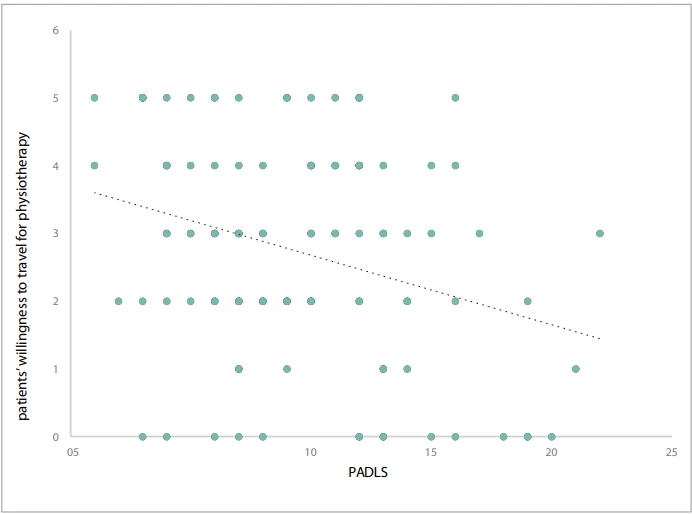
ables. Differences between groups were assessed using the Mann-Whitney U-test for ordinal variables. To assess the association between the severity of patients’ difficulties (PADLS – Parkinson’s Disease Activities of Daily Living Scale) and their willingness to travel for physiotherapy, a Pearson correlation coefficient was calculated, with significance verified using a t-test. A P-value of less than 0.05 was considered statistically significant. Data are presented as absolute numbers, percentages, medians, and interquartile ranges (IQR) where appropriate.
Results
A total of 115 patients and 21 PTs completed the questionnaire. Some questions were left unanswered, resulting in varying numbers of responses across individual items. One patient did not consent to the study and was consequently excluded from further participation.
Patients reported varying experiences with participation in physiotherapy over time. Currently, 37.5% of patients (N = 39) are actively attending physiotherapy or are receiving ongoing care from a physiotherapist. Approximately one third of patients (32.7%; N = 34) received physiotherapy within the last 12 months, while for another third (30%; N = 31) it has been more than 12 months since they last attended.
Majority of patients (70%; N = 75) reported undergoing or having undergone individual physiotherapy, while the remainder had experience with group physiotherapy alongside other patients. Physiotherapy most commonly takes place in outpatient physiotherapy clinics, chosen by 53.7% of respondents (N = 58). Rehabilitation in hospitals accounted for 22.2% of cases (N = 24), while physiotherapy in institutional care (7.4%; N = 8), at home (7.4%; N = 8), or in spa facilities (2.8%; N = 3) was less frequent.
Most patients reported experiencing mild difficulties in performing daily activities due to PD (60%; N = 68), while 11% (N = 12) indicated no difficulties. None of the respondents reported extreme difficulties. Regarding falls, 40% of patients (N = 44) reported that they had not fallen while under the care of a physiotherapist, whereas 20% (N = 22) experienced recurrent falls since starting physiotherapy for PD-related problems.
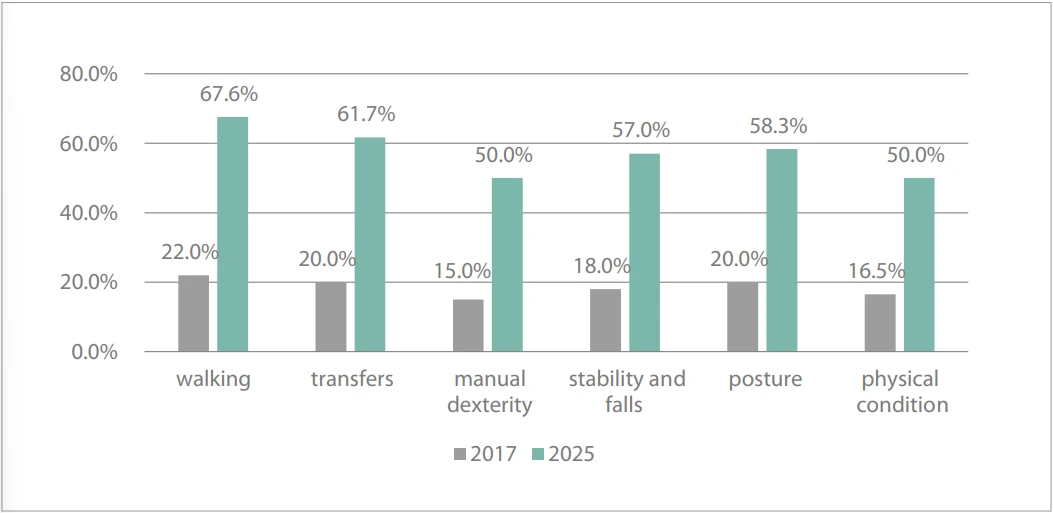
Physiotherapy was offered to patients who reported at least mild difficulties in each area and expressed a willingness to improve, to varying degrees. It was most frequently indicated for walking difficulties (67.6%; N = 71) and transfers (61.7%; N = 58). For difficulties with manual dexterity, physiotherapy was offered in 50% of cases (N = 51), for stability issues in 57% (N = 53), for posture problems in 58.3% (N = 60), and for physical condition difficulties in 50% (N = 51).
Physiotherapy was most often recommended by a neurologist (67.6%; N = 73). Other referring physicians included a rehabilitation specialist (21.3%; N = 23), a geriatrician (0.9%; N = 1), and a general practitioner (1.8%; N = 2). Four patients (3.6%) independently sought a physiotherapist without a physician’s referral.
Patients reported that the physician explained, at least partially clearly and sufficiently, the possibilities of physiotherapy/rehabilitation and its potential benefits in 87.6% of cases (N = 99). Therapists were rated slightly higher, with 92.6% of patients (N = 101) stating that the physiotherapist explained the options at least partially clearly and sufficiently.
Patients reported having changed their physiotherapist due to dissatisfaction in only 6.5% of cases (N = 7). Majority of patients reported being satisfied with their physiotherapy. Overall, 76.4% of participants stated that physiotherapy mostly or completely met their expectations, while only 2.8% (N = 2) reported that it did not meet their expectations at all.
On a subjective scale from 0 (no improvement) to 10 (maximum improvement), the median perceived effect of therapy was 5 (IQR 3–8). The effect of therapy lasted less than one month in 34.6% of patients (N = 36), approximately three months in 33.7% (N = 35), around 6 months in 7.7% (N = 8), and 1 year or more in 8.7% (N = 9). No improvement was reported by 15.4% of patients (N = 16).
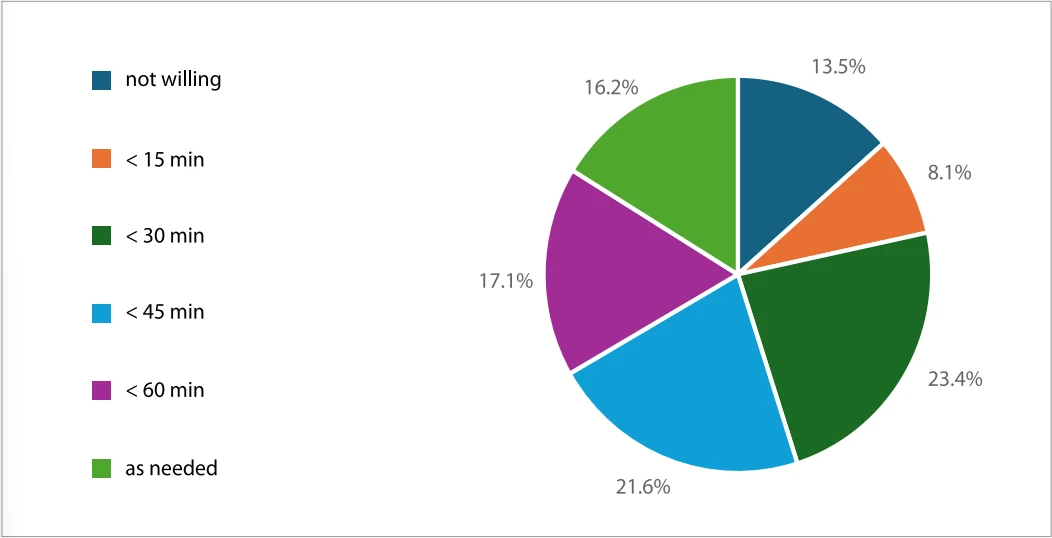
Regarding willingness to travel for physiotherapy, 13.5% of patients (N = 15) preferred therapy exclusively at home, 8.1% (N = 9) were willing to travel up to 15 min, 23.4% (N = 26) up to 30 min, 21.6% (N = 24) up to 45 min, and 17.1% (N = 19) up to 60 min. About 16% of patients (N = 18) reported being willing to travel any distance for rehabilitation (graph 1). Excluding the highest and lowest groups, the average willingness to travel was 40.2 min.
A significant negative correlation was found between severity of difficulties (PADLS) and willingness to travel for physiotherapy (ρ = −0.299; P = 0.0017), indicating that patients with greater difficulties were less willing to travel (graph 2).
PTs who completed the questionnaire (N = 21) work predominantly in hospital settings (76.2%; N = 16), with the remainder working in outpatient practice.
The largest proportion of respondents reported more than 20 years (38%; N = 8) or 10–20 years (38%; N = 8) of professional experience. Three therapists (14.3%) had been practicing for 5–10 years, while the smallest group consisted of those with less than 5 years of experience (9.5%; N = 2).
All respondents expressed an interest in the overall management of PD and had participated in training within the ParkinsonCare project. Some also mentioned attending other courses, such as those organized by the Movement Disorders Society or the Neurodance program.
Regarding the self-evaluation of knowledge about the scope of care provided by different healthcare professions, PTs rated their knowledge of physiotherapy highest – as average in 33.3% of responses (N = 7), above average in 47.6% (N = 10), and excellent in 19% (N = 4). Conversely, they assessed their knowledge of specialized nursing care most critically.
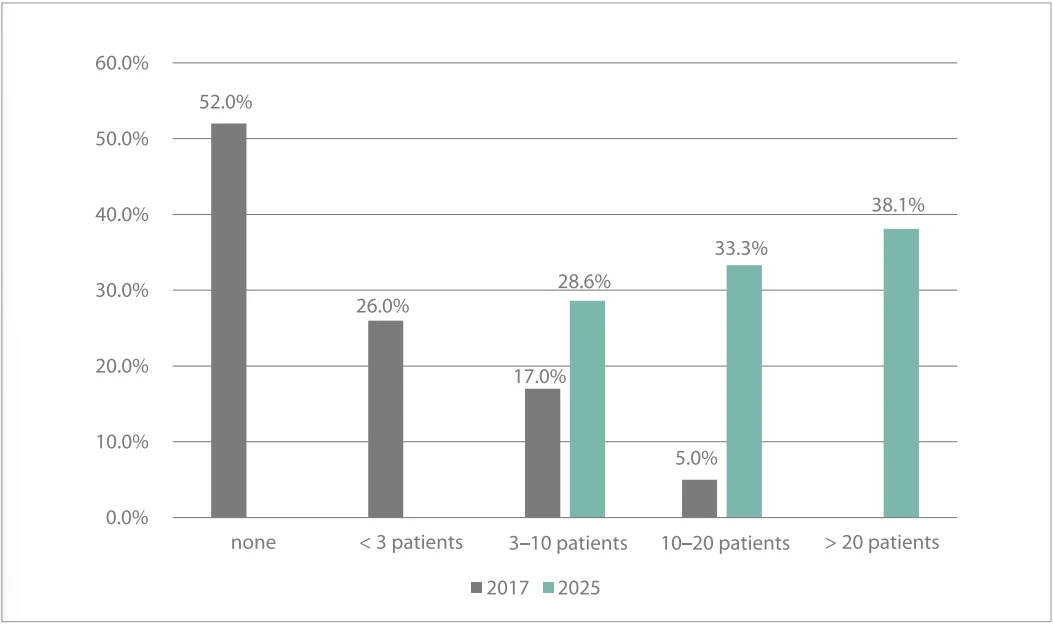
Majority of PTs (71.4%; N = 15) reported treating more than 10 PwPD each year, while every respondent cared for at least 3 patients annually.
PTs identified the main obstacle to improving care as insufficient communication among allied healthcare professionals involved in the treatment of PwPD, reported by the majority (85.7%; N = 18). Limited experience with PwPD was another frequently cited barrier (52.4%; N = 11).
When asked whether sufficient communication regarding PwPD takes place within their team, the majority indicated “yes” or “rather yes” (90.5%; N = 19). Only a small proportion (9.5%; N = 2) responded “rather no”.
Gait disturbances were reported as the most common reason for referring patients to physiotherapy. Balance disorders and falls were also frequently cited. According to the therapists, the specialists most often referring patients with PD for physiotherapy are neurologists (76.2%; N = 16) and rehabilitation physicians (23.8%; N = 5).
In their responses regarding specific techniques used with PwPD, PTs described a very diverse and comprehensive range of approaches and methods. The most frequently mentioned were strength-endurance training, balance exercises, transfer training, gait training, and anti-FoG strategies. In addition to these specific techniques, respondents explicitly referred to methods acquired during professional courses, approaches based on evidence-based medicine principles, and the use of diagnostic and therapeutic procedures aligned with current international guidelines [13–15].
Discussion
Based on the findings of this study, the implementation of the ParkinsonCare network in the Czech Republic has had a substantial impact on physiotherapeutic care for PwPD. In the observed areas, a marked change occurred in the availability and scope of rehabilitation interventions. PTs treat more PwPD annually, which contributes to the deepening of their clinical experience and further development of specialization. PTs also report that they apply techniques consistent with current European guidelines and evaluate the quality of interdisciplinary collaboration within multidisciplinary teams positively. These aspects warrant further attention and discussion.
The results demonstrate that physiotherapy was offered considerably more often for subjectively perceived difficulties in individual domains than before the implementation of the ParkinsonCare network (graph 3). However, a relatively high proportion of cases still remain in which patients with these difficulties, who have expressed a willingness to improve, do not receive an offer of an appropriate physiotherapy intervention targeting the affected domain (ranging from 32.4% to 50% across domains). This may pose a challenge particularly in areas where the underlying deficit can directly lead to serious complications, such as gait difficulties that may result in falls and subsequent fractures.
A plausible explanation is that the problem stems from the nature of PD as a chronic, and above all, progressive disorder: difficulties may not be present at the time of initial assessment, but develop over time, often going unreported – 30% of patients had not seen their PT for at least a year. These observations emphasize the need for a care model that better accounts for the requirement of long-term monitoring and reinforces the active role of the patient. One possible inspiration is the so-called “dental model,” based on the principle of regular preventive check-ups and the promotion of patient initiative and shared responsibility for the course of treatment and rehabilitation [16,17]. However, the term “dental model” should be understood more as a metaphor to highlight the principles outlined above, as its literal application could be misleading in the context of health system management theory [18].
At the Department of Neurology, General University Hospital in Prague, a care model following the concept of the “dental model” has already been implemented. Patients are called in periodically for preventive check-ups and followed up, enabling early identification of emerging difficulties and reinforcing patients’ engagement in the management of their disease and rehabilitation.
One of the key problems in physiotherapy care for PwPD in the Czech Republic prior to the implementation of ParkinsonCare was the low number of patients treated by individual PTs annually [9]. At that time, 95% of PTs reported caring for fewer than 10 patients per year. This implies limited clinical experience and a low level of specialization in this area – a situation that was also observed in the Netherlands before the implementation of ParkinsonNet [11,12]. However, responses from PTs involved in the ParkinsonCare network show a markedly different situation: more than 70% of PTs (N = 15) reported treating at least ten PwPD per year, while the remaining PTs (28.6%, N = 6) cared for 3–10 patients annually (graph 4). Treating an adequate number of patients appears to be a key prerequisite for high-quality care, as also confirmed by research conducted prior to the implementation of ParkinsonNet and the resulting recommendations [6].
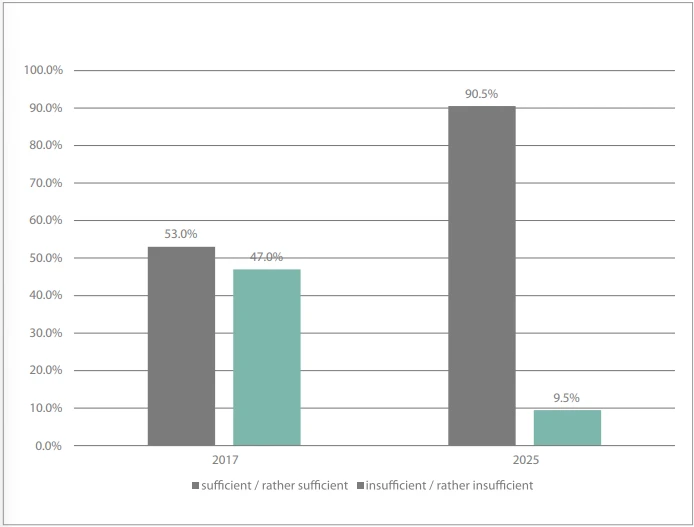
This is also recognized by the clinicians themselves: PTs consider the lack of clinical experience with PwPD as the second most frequently reported barrier to improving care quality within the ParkinsonCare network. The most commonly cited barrier, however, was insufficient communication among healthcare professionals. This issue had already been identified in the results of the original study prior to the implementation of ParkinsonCare in the Czech Republic [9]. Back then, almost half of PTs (47%) rated team communication as rather insufficient or insufficient. The current research, however, shows the opposite trend – in 90% of cases (N = 19), PTs rated communication as sufficient or rather sufficient, indicating that the ParkinsonCare network has effectively addressed this problem (graph 5).
Prior to the implementation of ParkinsonCare, another significant issue in the care of PwPD was insufficient adherence to recommended physiotherapy approaches by healthcare professionals. At that time, the most widely used physiotherapy techniques were neurodevelopmental treatments, such as the Bobath concept or proprioceptive neuromuscular facilitation, followed by gait training and soft tissue therapy [9]. The techniques applied by PTs were generally not aligned with current knowledge about Parkinson’s disease-specific physiotherapy. The results of the current study, however, clearly show that PTs involved in the ParkinsonCare network follow approaches consistent with European guidelines, applying methods recommended for patients with PD [13].
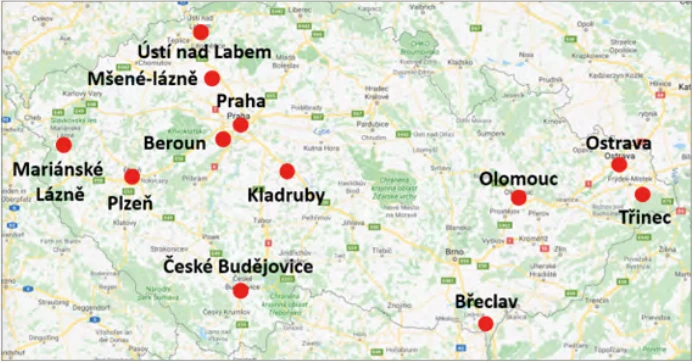
The ParkinsonCare network currently does not cover the entire territory of the Czech Republic evenly (Fig. 1). A particular problem is the limited availability of services in certain regions, notably around Pardubice, Hradec Králové, and the Vysočina region, where ParkinsonCare regional networks are currently completely absent [19]. Consequently, travel times for patients to reach a specialized physiotherapist are significantly longer in some areas, which may affect both accessibility and regularity of care. One possible improvement would be to systematically strengthen coverage across the Czech Republic; for example, by establishing at least one ParkinsonCare regional network in each regional hospital. Such a solution would substantially increase geographic accessibility of the service and allow the majority of the population to access specialized physiotherapy care without excessive time or logistical burden, considering that 78.4% of patients are willing to travel at least 30 min for therapy.
Successfully implementing this solution would, however, first require attracting committed specialists, who are currently in short supply. One way to motivate professionals to join the network could be through adjustments to the reimbursement system, such as higher compensation for providing specialized care.
Although the sample size in this study is sufficient to draw relevant conclusions, the volume of data obtained is substantially smaller than that available from large national registries. For example, in the Netherlands, care for patients with PD has long been monitored through the ParkinsonNet registry, which enables detailed analysis of healthcare expenditures, patient engagement in specialized services, and monitoring of complications such as hip fractures or pneumonia [20,21]. These data form the basis for data-driven decision-making and the optimization of care at the system level.
Data from 2023 demonstrate that the ParkinsonNet approach provides not only clinical benefits, but also significant economic impact – 55% fewer hip fractures due to targeted physiotherapy and fall prevention; savings of €530 per patient per year or 16.2 fewer therapy sessions per patient while maintaining (or even improving) quality of care [8]. Emerging evidence also indicates an 11% lower mortality rate compared with usual care physiotherapy [22]. These data illustrate that specialized and coordinated care not only enhances patients’ quality of life, but also increases efficiency within the healthcare system. Implementation of ParkinsonNet was estimated at USD 3.45 million, with annual operating costs of approximately USD 1.15 million. Considering the per-patient savings of €530 per year and the number of patients treated, it is evident that the costs of establishing and operating the network are offset by substantial savings, highlighting that such expenditures should be viewed as a meaningful investment rather than a mere expense [21].
In the Czech context, similar registries are currently lacking, which significantly limits the possibilities for a more in-depth evaluation of the effectiveness of different care models. The results of this study therefore represent an important contribution to understanding patient needs, while simultaneously highlighting the necessity of systematic data collection in the country. Only through the establishment of a comprehensive, long-term registry will it be possible to monitor the impact of provided care in terms of quality, health outcomes, and economic efficiency, as well as the sustainability of the healthcare system. Such data are essential for informed decision-making at both the health policy and clinical practice levels.
Conclusion
Implementation of the ParkinsonCare network in the Czech Republic has led to substantial improvements in the availability and quality of physiotherapy for PwPD. PTs now treat a higher number of PwPD, while applying techniques in accordance with European guidelines. Interdisciplinary collaboration and team communication have improved, and patients with difficulties are more frequently offered physiotherapy interventions to address their specific needs. However, it remains necessary to implement the principles of the “dental model” of care, to ensure continuous monitoring and early identification of emerging problems. Expanding the network and implementing systematic data collection through national registries would further support high-quality, accessible, and cost-effective physiotherapy for PwPD across the country.
Konflikt zájmů: Autoři deklarují, že text článku odpovídá etickým standardům, byla dodržena anonymita pacientů a prohlašují, že v souvislosti s předmětem článku nemají finanční, poradenské ani jiné komerční zájmy.
Publikační etika: Příspěvek nebyl dosud publikován ani není v současnosti zaslán do jiného časopisu pro posouzení. Autoři souhlasí s uveřejněním svého jména a e-mailového kontaktu v publikovaném textu.
Dedikace: Článek není podpořen grantem ani nevznikl za podpory žádné společnosti.
Redakční rada potvrzuje, že rukopis práce splnil ICMJE kritéria pro publikace zasílané do biomedicínských časopisů.
Conflict of Interest: The authors declare that the article/manuscript complies with ethical standards, patient anonymity has been respected, and they state that they have no financial, advisory or other commercial interests in relation to the subject matter.
Publication Ethics: This article/manuscript has not been published or is currently being submitted for another review. The authors agree to publish their names and e-mails in the published article/manuscript.
Dedication: The article/manuscript is not supported by a grant nor has it been created with the support of any company.
The Editorial Board declares that the manuscript met the ICMJE “uniform requirements” for biomedical papers.
Sources
1. Poewe W, Seppi K, Tanner CM et al. Parkinson disease. Nat Rev Dis Primers 2017; 3 : 17013. doi: 10.1038/nrdp.2017.13.
2. Růžička E. Neurologie. 3. vyd. Praha: Triton 2024.
3. GBD 2015 Neurological Disorders Collaborator Group. Global, regional, and national burden of neurological disorders during 1990–2015: a systematic analysis for the Global Burden of Disease Study 2015. Lancet Neurol 2017; 16(11): 877–897. doi: 10.1016/S1474-4422(17)30299-5.
4. Dorsey ER, Bloem BR. The Parkinson pandemic – a call to action. JAMA Neurol 2018; 75(1): 9–10. doi: 10.1001/jamaneurol.2017.3299.
5. Dorsey ER, Okun MS, Bloem BR. A PLAN to address the Parkinson pandemic. J Parkinsons Dis 2025; 15(8): 1322–1336. doi: 10.1177/1877718X251378115.
6. Keus SH, Oude Nijhuis LB, Nijkrake MJ et al. Improving community healthcare for patients with Parkinson’s disease: the dutch model. Parkinsons Dis 2012; 2012 : 543426. doi: 10.1155/2012/543426.
7. ParkinsonCare. O projektu. [online]. Dostupné z: https: //parkinsoncare.cz/o-projektu/.
8. ParkinsonNet. ParkinsonNet in cijfers. [online]. Dostupné z: https://www.parkinsonnet.nl/app/uploads/2025/03/Rapport-PN-in-cijfers-2010-20231.pdf.
9. Gal O, Srp M, Konvalinkova R et al. Physiotherapy in Parkinson’s disease: building ParkinsonNet in Czechia. Parkinsons Dis 2017; 2017 : 8921932. doi: 10.1155/2017/8921932.
10. Matys V. ParkinsonCare v České republice: nové éra fyzioterapie Parkinsonovy nemoci. Olomouc, 2025. Diplomová práce. Univerzita Palackého v Olomouci, Fakulta zdravotnických věd. Vedoucí práce: Ing. Marek Šturek, MBA. [online]. Dostupné z: https://theses.cz/id/b6jpav/.
11. Keus SH, Bloem BR, Verbaan D et al. Physiotherapy in Parkinson’s disease: utilisation and patient satisfaction. J Neurol 2004; 251(6): 680–687. doi: 10.1007/s00415-004-0402-7.
12. Nijkrake MJ, Keus SH, Oostendorp RA et al. Allied health care in Parkinson’s disease: referral, consultation, and professional expertise. Mov Disord 2009; 24(2): 282–286. doi: 10.1002/mds.22377.
13. Keus SH, Munneke M, Graziano M et al. Evropské doporučené postupy pro fyzioterapeutickou léčbu Parkinsonovy nemoci. 2014 [online]. Dostupné z: https://www.parkinsonnet.nl/app/uploads/sites/3/2019/11/doporu_en__postupy_pro_fyzioterapeutickou_l__bu_parkinsonovy_nemoci_fin_81277__-_kop_rovat.pdf.
14. Radder DLM, Nonnekes J, van Nimwegen M et al. Recommendations for the organization of multidisciplinary clinical care teams in Parkinson’s disease. J Parkinsons Dis 2020; 10(3): 1087–1098. doi: 10.3233/JPD-202078.
15. Osborne JA, Botkin R, Colon-Semenza C et al. Physical therapist management of Parkinson disease: a clinical practice guideline from the American physical therapy association. Phys Ther 2022; 102(4): pzab302. doi: 10.1093/ptj/pzab302.
16. Corcos DM, Lamotte G, Luthra NS et al. Advice to people with Parkinson’s in my clinic: exercise. J Parkinsons Dis 2024; 14(3): 609–617. doi: 10.3233/JPD-230277.
17. Rafferty MR, Foster ER, Roberts AC et al. Stemming the tide: the proactive role of allied health therapy in Parkinson’s disease. J Parkinsons Dis 2024; 14(s1): S7–S19. doi: 10.3233/JPD-230267.
18. Lee H, Chalmers NI, Brow A et al. Person-centered care model in dentistry. BMC Oral Health 2018; 18(1): 198. doi: 10.1186/s12903-018-0661-9.
19. ParkinsonCare. Mapa fyzioterapeutů. [online]. Dostupné z: https://parkinsoncare.cz/mapa-fyzioterapeutu/.
20. Gray BH, Sarnak DO, Tanke M. ParkinsonNet: An innovative Dutch approach to patient-centered care for a degenerative disease. 2016 [online]. Dostupné z: http://resource.nlm.nih.gov/101719391.
21. Bloem BR, Rompen L, Vries NM et al. ParkinsonNet: a low-cost health care innovation with a systems approach from the Netherlands. Health Aff (Millwood) 2017; 36(11): 1987–1996. doi: 10.1377/hlthaff.2017.0832.
22. Ypinga JHL, Boonen LHHM, Munneke M et al. Effects of specialised physiotherapy on mortality in Parkinson’s disease: a prospective observational study. NPJ Parkinsons Dis 2025; 11(1): 214. doi: 10.1038/s41531-025-01069-x.
Labels
Physiotherapist, university degree Rehabilitation Sports medicineArticle was published in
Rehabilitation & Physical Medicine
2026 Issue 1
Most read in this issue
- Ultrasound visualization of the deep fascia in children – measurement protocol
- ParkinsonCare in the Czech Republic: a new era in Parkinson’s disease physiotherapy
- Application of the Philippi scale for monitoring infants with infantile postural asymmetry during targeted physiotherapy: a case series
- Echographic synovialgram as a stress indicator after abrasive knee arthroscopy